Postdoctoral Fellows
Economics of an Aging Workforce
Supported by the Alfred P. Sloan Foundation
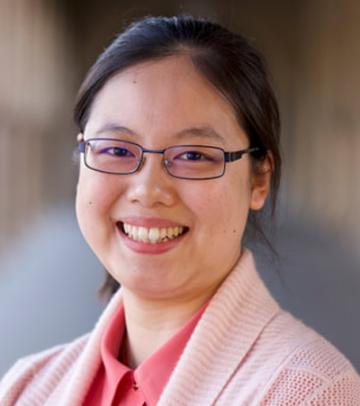
Adelina Yanyue Wang, received her PhD at Stanford University she studies how access to affordable and quality long-term care services for the elderly affects the retirement decisions of their adult children.
Economics of Mobility
Supported by the Bill and Melinda Gates Foundation
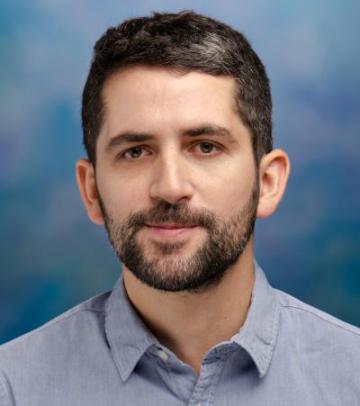
Santiago Pérez is an assistant professor of economics at the University of California, Davis. His research focuses on intergenerational mobility, particularly in Argentina and the United States. He has studied mobility patterns in part by linking large data files, such as Census records, across surveys.
Economics of Entrepreneurship Research
Supported by the Ewing Marion Kauffman Foundation
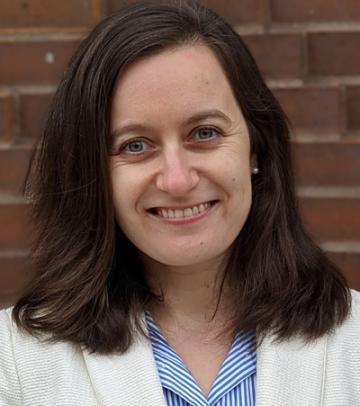
Krisztina Orbán received her Ph.D. from the University of Chicago. Her research focuses on innovation and productivity dynamics in transition economies, in particular in Hungary during the closing decades of the 20th century. She will join the economics faculty at Monash University in Melbourne, Australia, after completing her fellowship.
Long-Term Fiscal Policy
Supported by the Peter G. Peterson Foundation
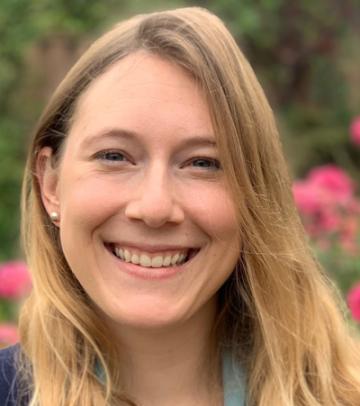
Emilie Jackson received her PhD at Stanford University. She analyzes how the shift from traditional employment to self-employment affects tax revenues and the demand for government benefits.
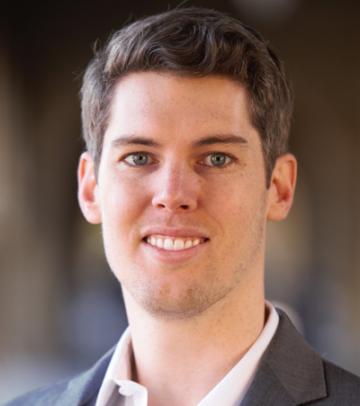
Sean Myers received his PhD at Stanford University. He studies the funding of state and local defined-benefit pension plans
Aging and Health Research
Supported by the National Institute on Aging and NBER
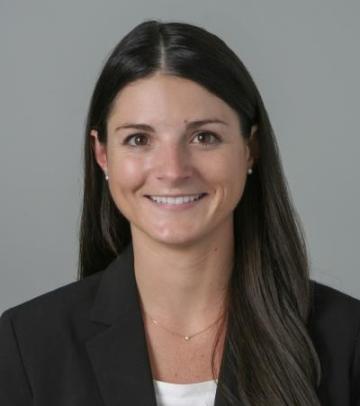
Victoria Marrone studies the design and regulation of health insurance markets. She completed her PhD at Northwestern University.
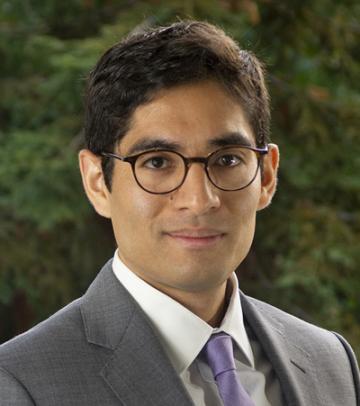
Francis Wong analyzes how medical debt affects mental and physical health and health care utilization. Wong received his PhD at the University of California, Berkeley.
Retirement and Disability Policy Research
Supported by the US Social Security Administration
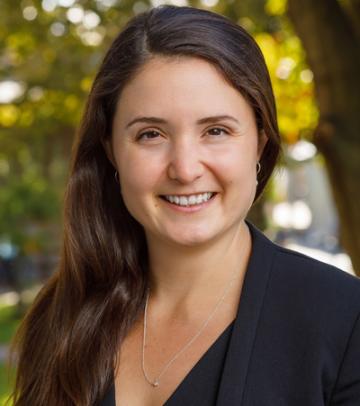
Adrienne Sabety obtained her PhD in 2020 from Harvard’s Health Policy Program. In July 2021, Sabety will join the Economics Department at the University of Notre Dame as a Wilson Family LEO Assistant Professor. Her current work focuses on opioids, including how they are used by older adults and how the exit of opioid prescribers affects patients. More generally, Sabety’s research interests focus on improving the quality, access, and affordability of medical care.
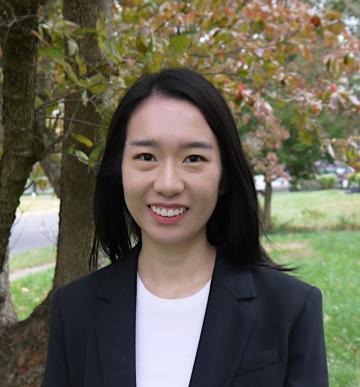
Mingli Zhong obtained her PhD in applied economics from the Wharton School of the University of Pennsylvania in 2020 and will be joining the Urban Institute following completion of the RDRC fellowship program. Zhong’s research focuses on the optimal design of retirement policy and social insurance. Along with co-authors, Zhong examines the impact of the first state-run automatic enrollment retirement program in the United States, OregonSaves and finds that the program expands coverage among workers in low-wage, high-turnover industries. Zhong has also estimated the optimal default savings rate in auto-enrollment retirement plans.
Transportation in the 21st Century
Supported by the US Department of Transportation
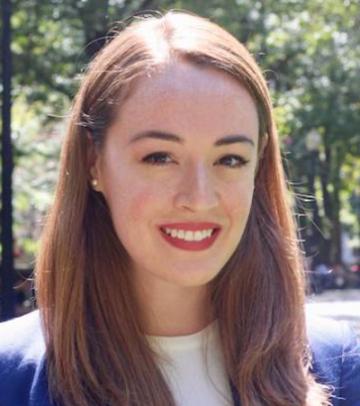
Caitlin Gorback, who received her PhD at the Wharton School at the University of Pennsylvania, is a postdoctoral researcher supporter by the NBER’s Transportation in the 21st Century Initiative. Gorback studies how transportation innovations such as ride-sharing affect the distribution of economic activities in urban areas.
Graduate Fellows
Economics of an Aging Workforce
Supported by the Alfred P. Sloan Foundation

Juliette Fournier's research examines the effect of enterprise zones in France on the location of business activity. Fournier received her PhD from MIT.
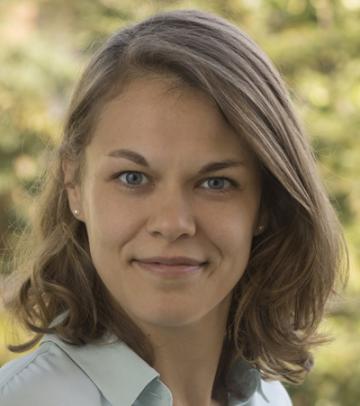
Ingrid Haegele studies the role of firms in the labor market. In her current projects. She collaborates with large companies to understand how organizational design affects labor market outcomes and long-term inequality.
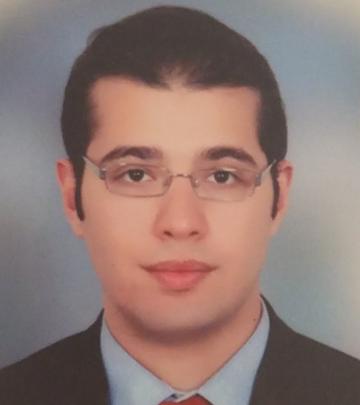
Samir Mahmoudi research interests are at the intersection of financial and public economics
Energy Economics
Supported by the Alfred P. Sloan Foundation
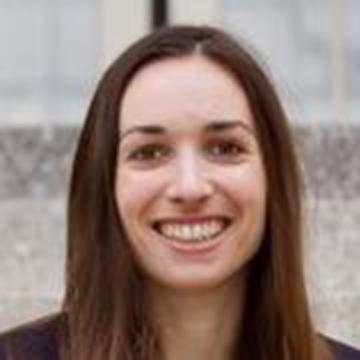
Sarah Armitage studies technology transitions and the timing of environmental policy.
Karl Dunkle Werner research examines energy and environmental economics.
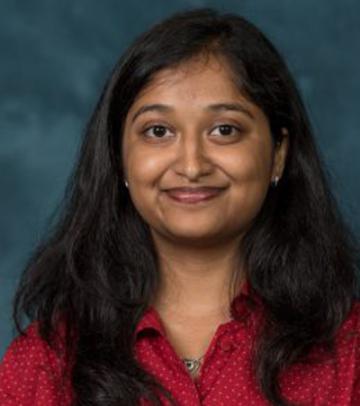
Nafisa Lohawala studies the effects of electric vehicle subsidies on vehicle demand.
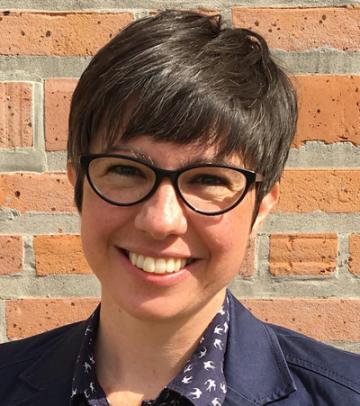
Kelly Neill research bridges empirical industrial organization and energy economics, with a focus on natural gas markets.
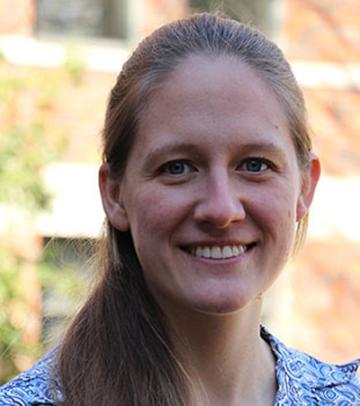
Aspen Fryberger Underwood analyzes the factors that affect the adoption and usage of electric vehicles.
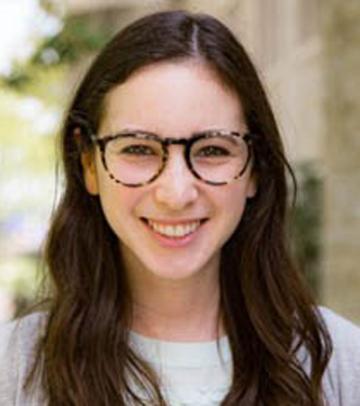
Stephanie Weber research interests are energy and environmental economics and empirical industrial organization.
Behavioral Macroeconomics
Supported by the Alfred P. Sloan Foundation
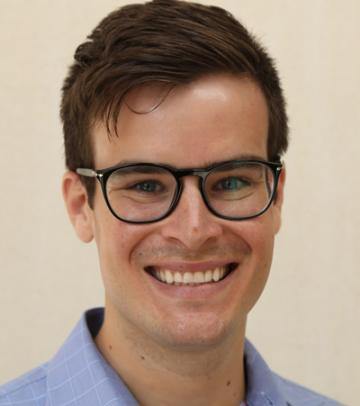
Miguel Acosta studies the aggregate demand effects of monetary policy.
Francesca Bastianello explores how partial equilibrium rather than general equilibrium analysis by households and firms can affect macroeconomic fluctuations.
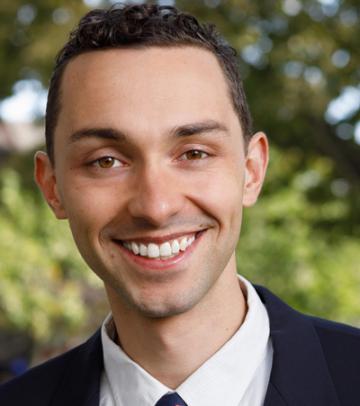
The Alfred P. Sloan Foundation also supports predoctoral fellows studying behavioral macroeconomics. Peter Maxted of Harvard University, is examining the effects of business and consumer sentiment in a macro-financial model.
Aging and Health Research
Supported by the National Institute on Aging and NBER
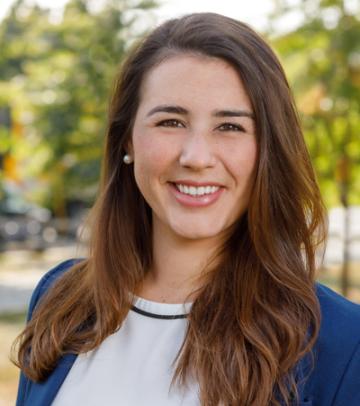
Angie Acquatella studies the effects of financial incentives on health care providers, focusing on their implications for the efficiency of health care delivery, as well as the design of health care policy.
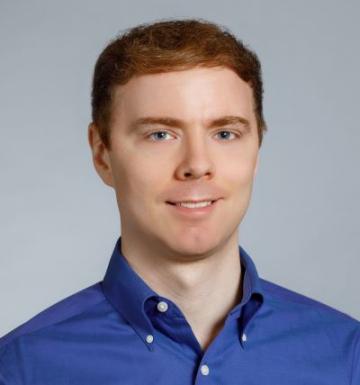
Kevin Connolly investigates the causal effects of increased access to college on long-term life outcomes, particularly health outcomes such as longevity.

Pragya Kakani is interested in the economics of provider organizations, technology adoption, and the intersection of these topics in the U.S.
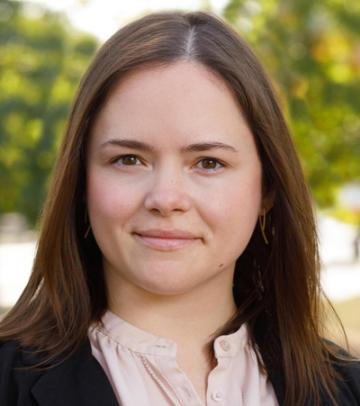
Amanda Kreider research interests are in the economics of health insurance markets, Medicaid, mental health care, long-term care, and safety net policies.
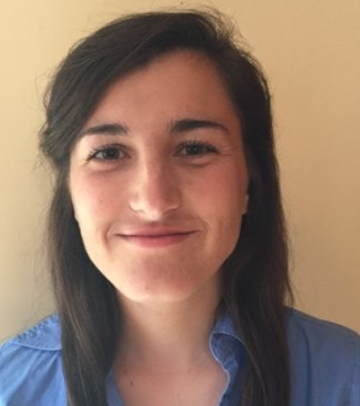
Grace McCormack main research interest is on the impact of various regulations in public insurance markets including public health exchanges and Medicaid.
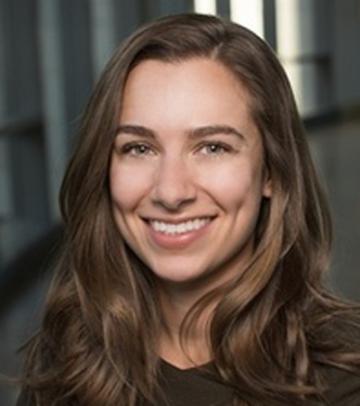
Carolyn Stein researchers topics at the intersection of labor economics and the economics of science and innovation.
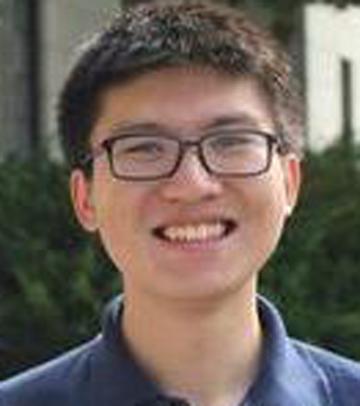
Anthony Yu research lies at the intersection of industrial organization, public economics, and health economics.
Retirement and Disability Policy Research
Supported by the US Social Security Administration
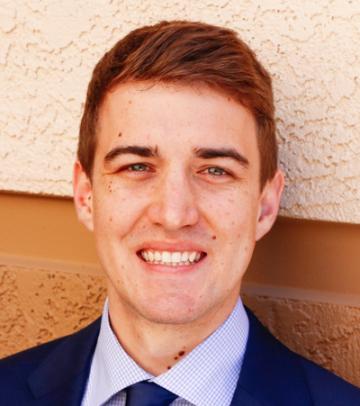
Jonathan Leganza uses administrative data from Denmark to study how increasing social security eligibility ages impacts savings. He and his co-author find that this policy leads to longer working lives and the accumulation of more savings in private retirement accounts set aside for shorter retirement time horizons and that employer retirement savings policies play a role in shaping how individuals respond to national policy changes.
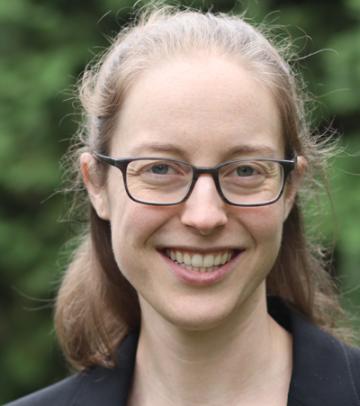
Ellen Stuart studies how the timing of withdrawal decisions from traditional Individual Retirement Accounts (IRAs) is influenced by two tax penalties faced by account holders: the early withdrawal penalty and the excess accumulation penalty. Stuart finds that for both penalties, there are alternative combinations of age threshold and penalty rate that yield increased welfare and tax revenue, but the increases relative to the baseline policy are very incremental.
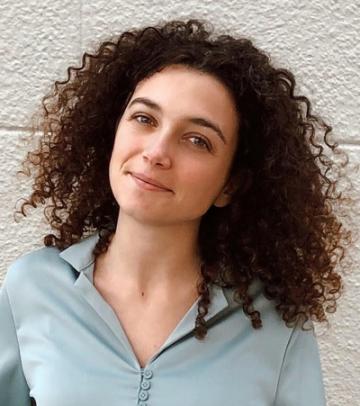
Martina Uccioli studies job instability and the effects on workers’ life choices, from fertility to disability insurance receipt and retirement behavior. Her work exploits the staggered implementation of an Italian law liberalizing the use of short-term contracts in a context where workers had previously had long-term contracts with high firing costs. Uccioli also studies the other side of the issue, in particular how employment protections for temporary workers affect the direction and nature of process innovation.